Is Methanol in Your Future?
June 23, 2026
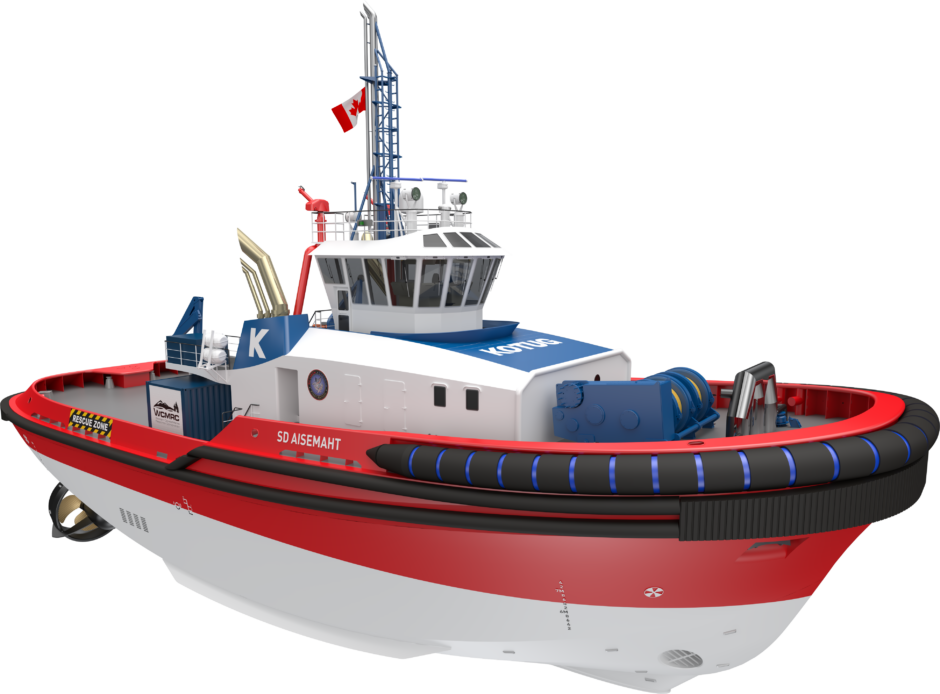
Methanol offers practical decarbonization for tugs needing endurance beyond battery range
Erik Johnston, P.Eng. | Project Director | Senior Mechanical Engineer
As the maritime industry progresses steadily towards decarbonization, two significant trends have emerged within the workboat sector: adoption of full electrification through batteries, and utilisation of methanol for applications requiring greater endurance. So, what is all the fuss about methanol, anyway?
Firstly, it is a realistic pathway to curb greenhouse gas emissions in line with the Paris Agreement, with GHG reductions of about 90%. For over a century, society benefited from the use of petroleum products for transportation and heating. However, continuing this approach is not a sustainable solution.
Secondly, methanol is less capital intensive than many other green options currently available, including LNG and batteries. An LNG fuelled tug can cost up to 50% more than a comparable conventional diesel one; and a battery electric tug can be 30-70% more, depending on the installed battery capacity. Conversely, a methanol fuelled tug is expected to cost up to 20-30% more than a diesel version.
KOTUG Canada’s two RAsalvor 4400-DFM (SD Aisemaht & SD Qwiy Aanitsa Sarah) and Svitzer’s TRAnsverse 3500-E (Svitzer Balder), all of which are nearly complete, are great examples of early adopters. Robert Allan Ltd. invests significantly into methanol fuel related R&D, preparing the company for the anticipated increased uptake later this decade as more engine options become available to vessel operators and renewable methanol production expands from 900 ktpa in 2024 to over 40 Mtpa by 2030.
Methanol tugs will increasingly join the global fleet, particularly where high power and high energy storage are needed. Let’s forge your future together.